

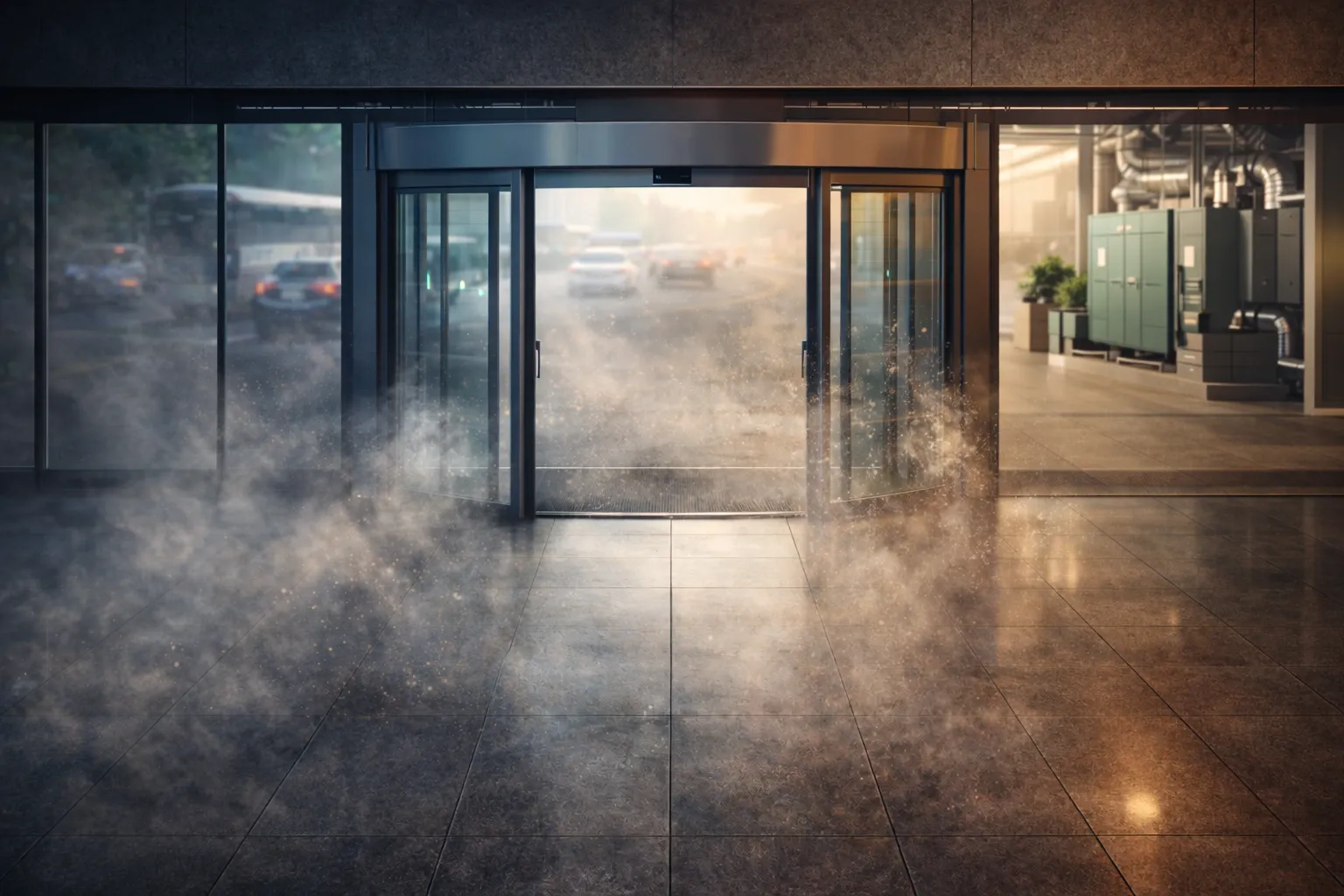
Dust or pollution infiltration Problem
Cutting Losses from Dust or pollution infiltration Problem
When outdoor or unclean air enters due to poor seals or frequent door use, filtration systems work harder, energy use climbs, and indoor air quality drops. Mitzvah delivers airflow solutions that create protective barriers, limit particle entry, preserve zone purity, and enhance efficiency.
Why Dust or pollution infiltration Problem Occurs
Frequent Door and Entry Use
Regular openings let particulates freely enter controlled areas.
High Pollutant Levels Outside
Air movement draws dust or pollutants indoors during pressure changes.
Pressure Imbalance Across Areas
Differential pressure pulls contaminated air into clean zones.
Poor Sealing or Structural Gaps
Leaks allow dust infiltration even with closures in place.
High Traffic Areas
Zones experience prolonged openings, increasing infiltration risk.
Uncoordinated Ventilation
Poor airflow control lets polluted air spread between spaces.
Best-fit products to solve Dust or pollution infiltration Problem
Commercial Air Curtains
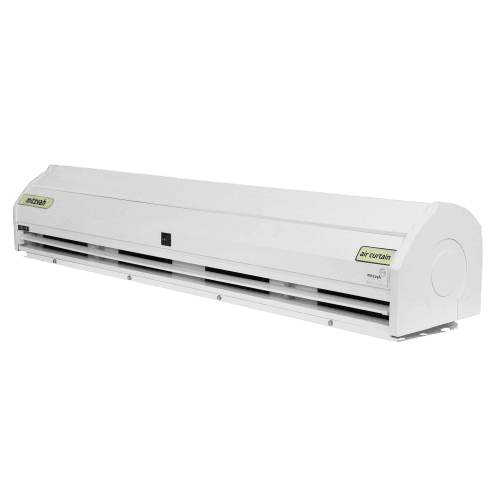
- Act as particle barriers while allowing easy entry access.
Industrial Air Curtains
- Control dust or pollutant entry at large industrial zone openings.
Heavy-Duty Air Curtains
- High-capacity systems for demanding pollution control needs.
Solutions
Mitzvah offers integrated products to prevent Dust or pollution infiltration effectively.

Commercial Air Curtains
Creates an invisible barrier to block dust entry and lower energy costs.
Industrial Air Curtains
Strong airflow seals large entrances, limiting dust infiltration.
Mitzvah Solutions for Dust or pollution infiltration Problem
Operational Benefits
- Lower filter maintenance
- Improve HVAC efficiency
- Extend equipment life
Comfort Benefits
- Cleaner indoor environments
- No dust drafts
- Better air quality perception
Environmental Benefits
- Reduced airborne particles
- Lower energy demand
- Support green initiatives
Performance Benefits
- Maintain clean zones despite:
- • Traffic changes
- • Open doors
- • Nearby dust sources
- • Harsh environments
Industries affected by Dust or pollution infiltration Problem

Hospitality & Retail
Guest comfort areas exposed to dust from high-traffic entrances decrease experience quality.

Pharma & Healthcare
Cleanroom standards can fail when dust or pollutants mix into sterile zones.

Food Processing & Kitchens
Dust infiltration impacts hygiene and increases cleaning burdens.
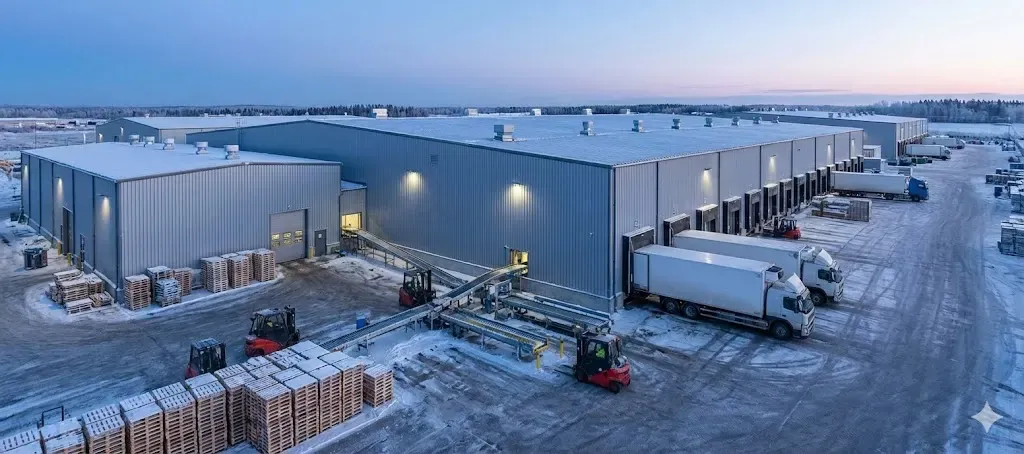
Cold Storage & Warehousing
Dust entry can settle on goods and affect storage air quality.
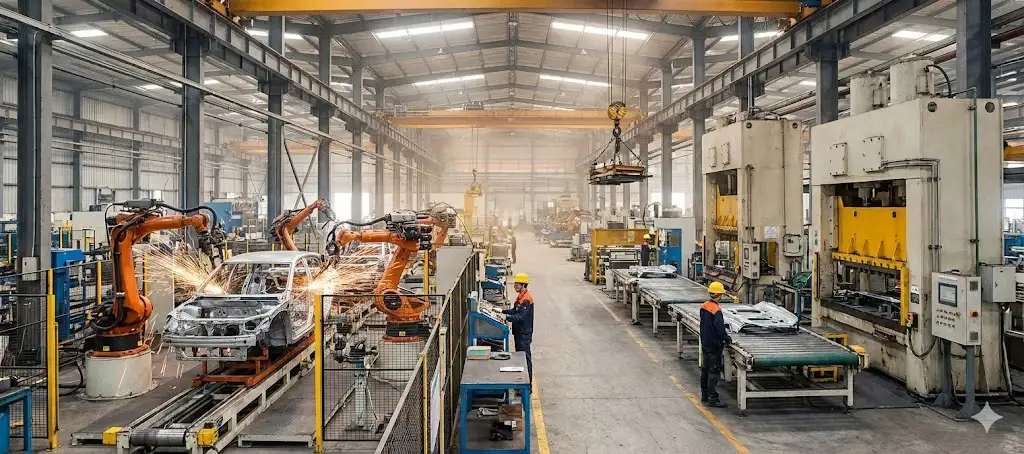
Industrial Manufacturing
Production lines compromise quality when contaminants spread via air movement.

Government & Institutional Buildings
Special-use areas lose air purity when particles move uncontrolled.
Dust or pollution infiltration Applications
Solutions to control Dust or pollution infiltration in:

Main entrances and storefronts

Kitchens and food-prep areas prone to Dust or pollution infiltration Problem
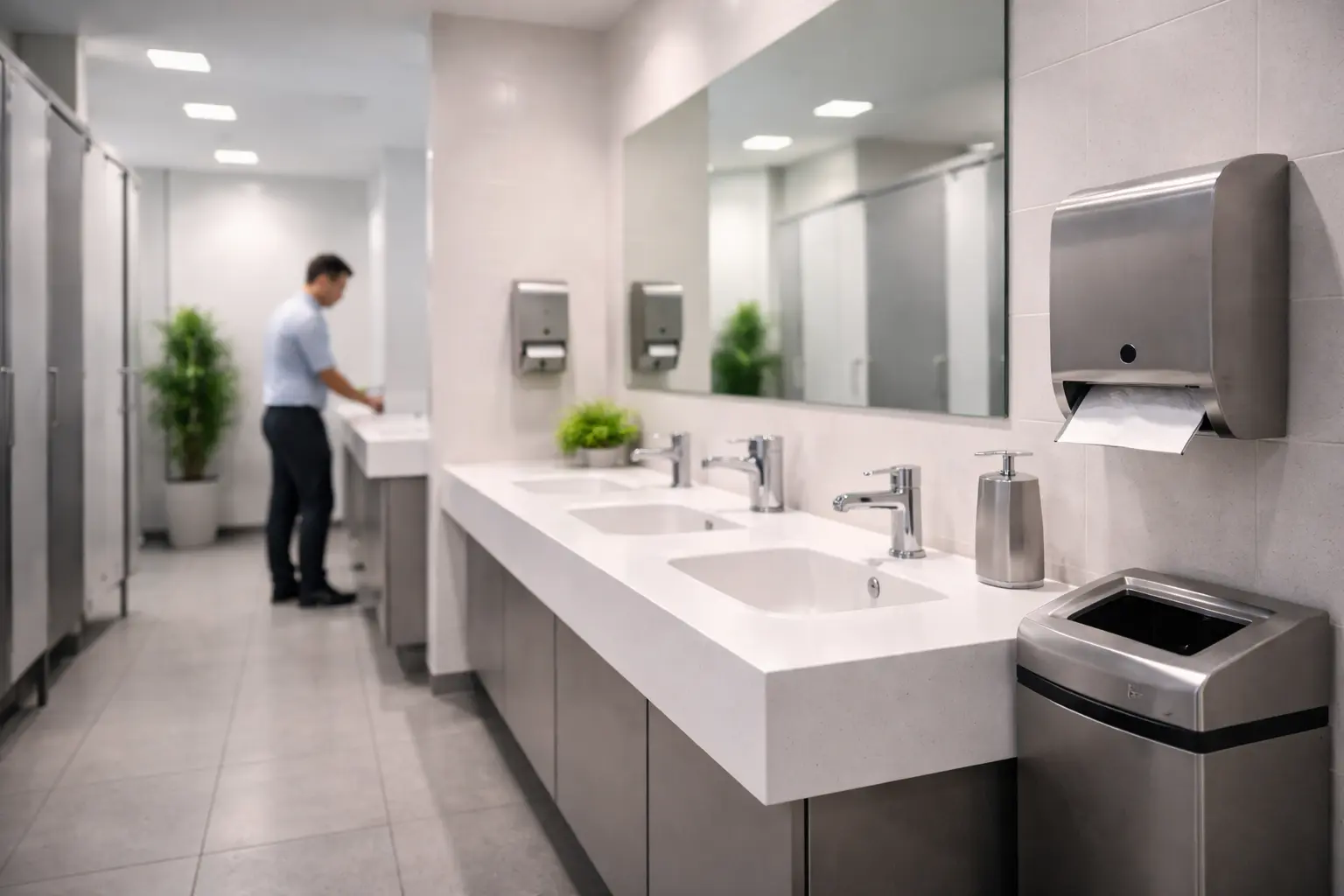
Washrooms and hygiene zones needing dust and pollutant control

Clean rooms and healthcare sites sensitive to airborne contamination
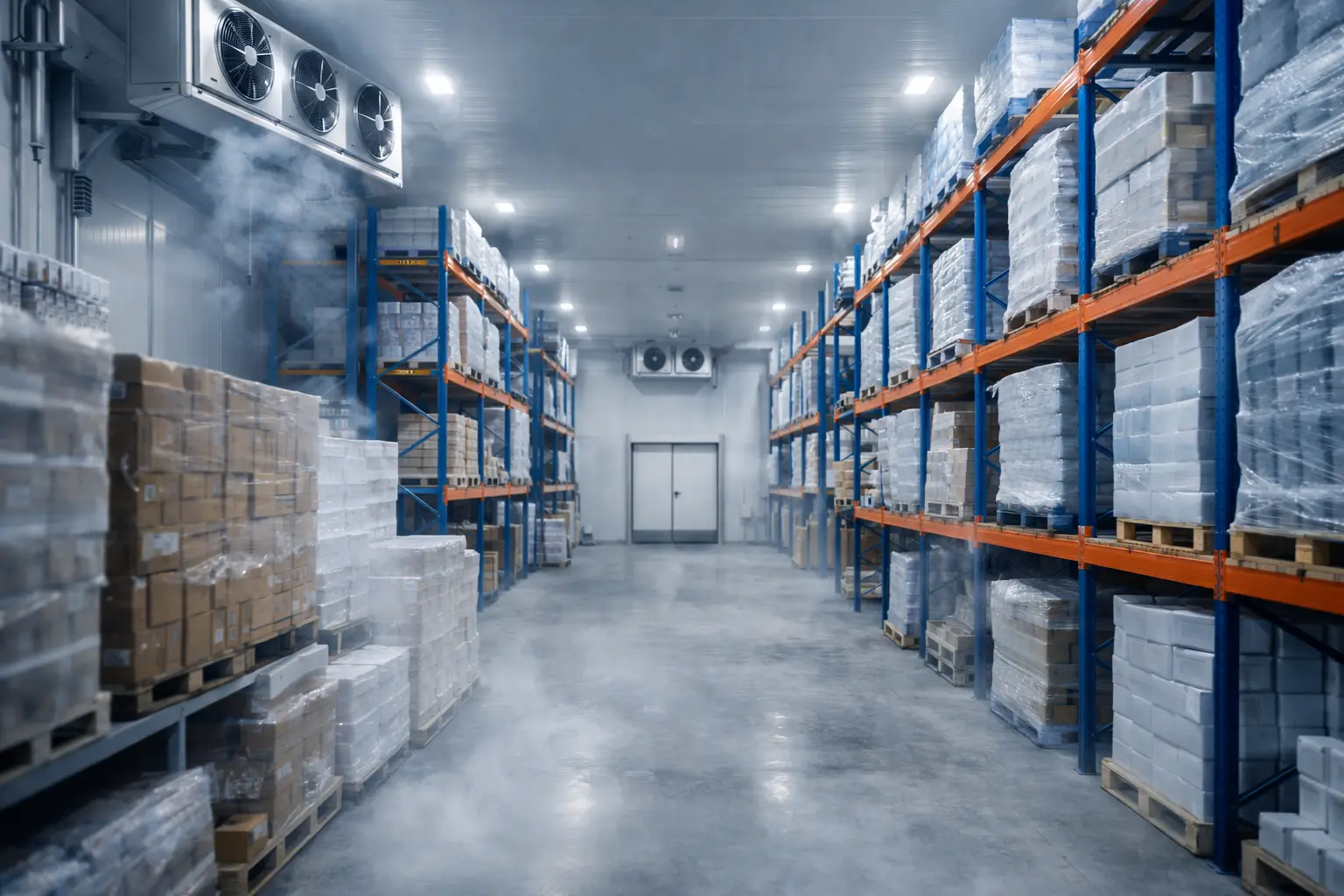
Cold storage entries needing dust barrier solutions
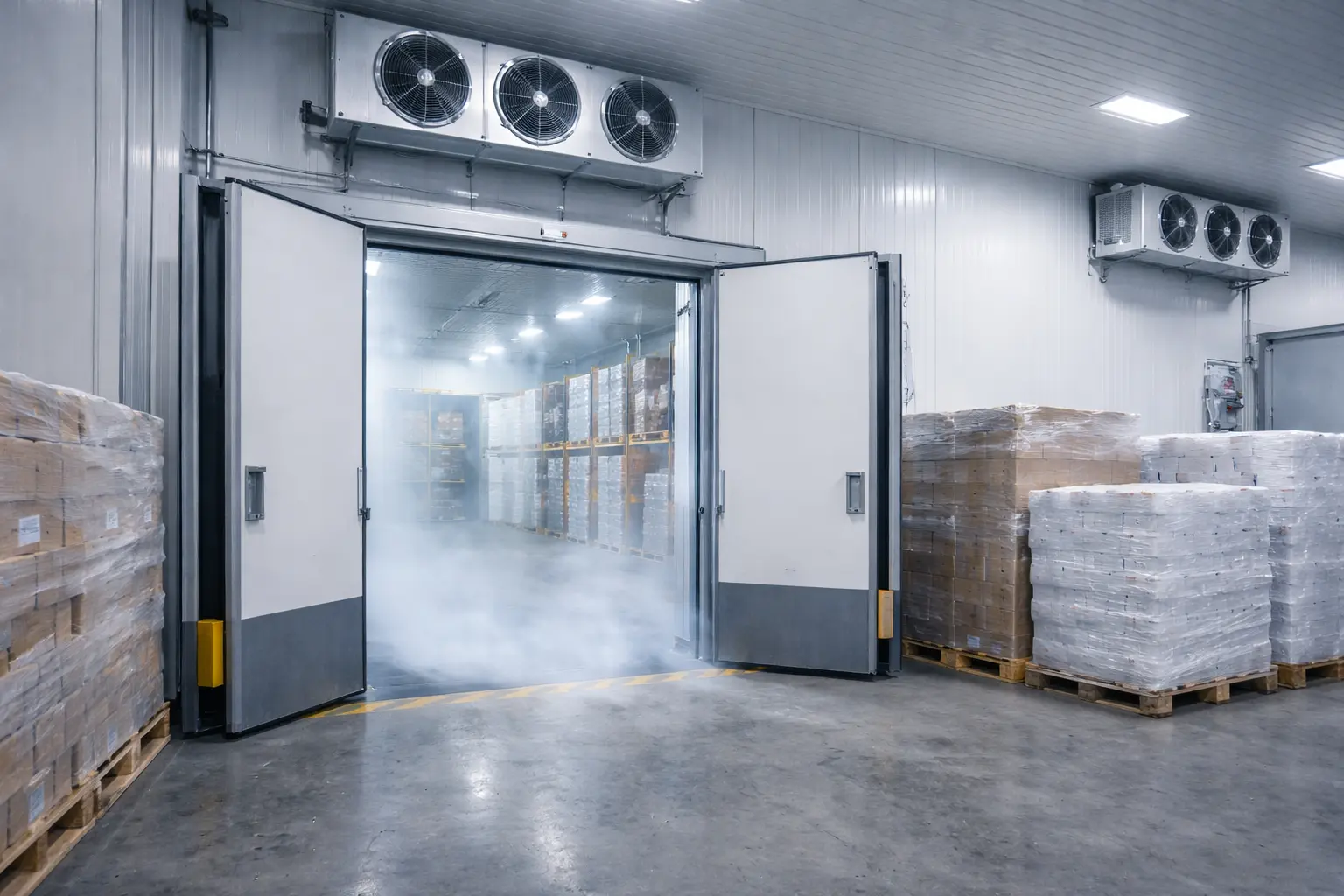
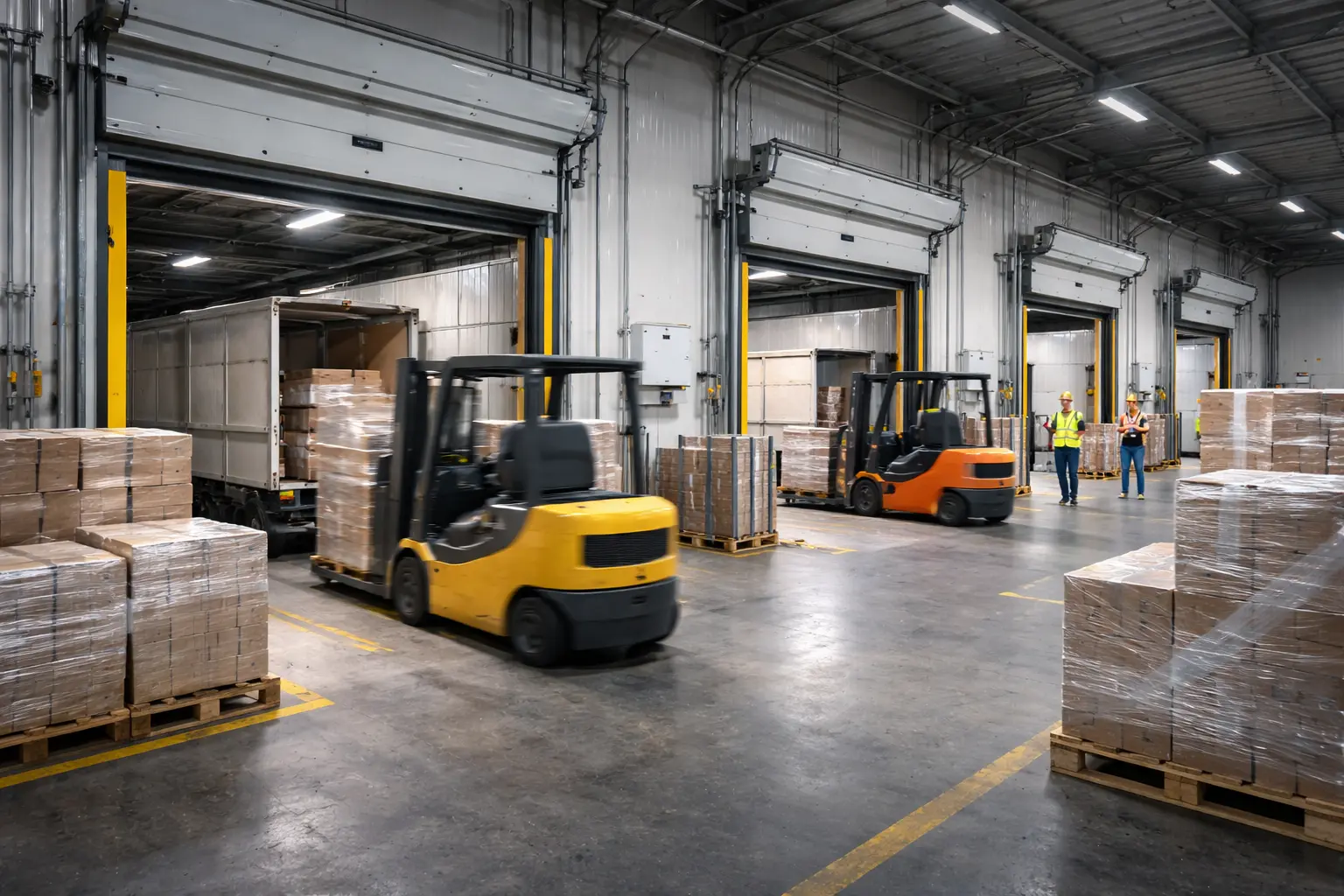
Industrial docks vulnerable to pollutant infiltration
Customer-facing areas where air quality matters
Main entrances and storefronts
Kitchens and food-prep areas prone to Dust or pollution infiltration Problem
Washrooms and hygiene zones needing dust and pollutant control
Clean rooms and healthcare sites sensitive to airborne contamination
Cold storage entries needing dust barrier solutions
Industrial docks vulnerable to pollutant infiltration
Customer-facing areas where air quality matters
FAQs
Answers about dust and pollutant prevention
• Yes. They help block airborne contaminants and maintain cleaner spaces.
• Yes. They work effectively even during motion or operational pauses.
• Periodic cleaning and airflow inspection are sufficient.
• Around 3.0–3.5 m/s per AMCA; lower speeds may reduce protection.
Continuous Expert Support for Dust or pollution infiltration Problem
Monitoring, advice, and quick access to assistance