


Energy Loss Problem: Seeking Effective Fix
Identify causes of reduced efficiency and explore practical ways to prevent costly energy loss in your facility.
Reducing Indoor Energy Loss at Open Entrances
Uncontrolled air exchange at doorways is one of the leading causes of energy waste in commercial and industrial spaces. When conditioned indoor air escapes and outside air enters freely, cooling and heating systems are forced to work harder to maintain desired temperatures. This results in higher electricity consumption, rising operational costs, and inconsistent indoor comfort.
Mitzvah delivers engineered airflow solutions that create an invisible barrier at entrances, minimizing air leakage while allowing smooth movement of people and goods. Our systems help maintain stable indoor environments, optimize energy efficiency, and significantly reduce power loss in real-world operating conditions.

Why the Energy Loss Problem Occurs
Open and Frequently Used Entrances
Continuous door movement allows conditioned air to escape and outside air to enter freely.
Temperature Difference Between Indoors and Outdoors
Hot and cold air naturally flow toward balance, causing constant air exchange.
Air Pressure Imbalance
Uneven pressure pulls outside air inside, pushing treated air out of the building.
Inefficient Door Sealing or Gaps
Poor insulation and gaps allow air leakage even when doors appear closed.
High Foot Traffic Areas
Busy entrances remain open longer, increasing energy loss throughout the day.
Poor HVAC System Coordination
Improper airflow management forces systems to overwork and waste energy.
Core Products for Energy Loss (Best Fit)
Commercial Air Curtains
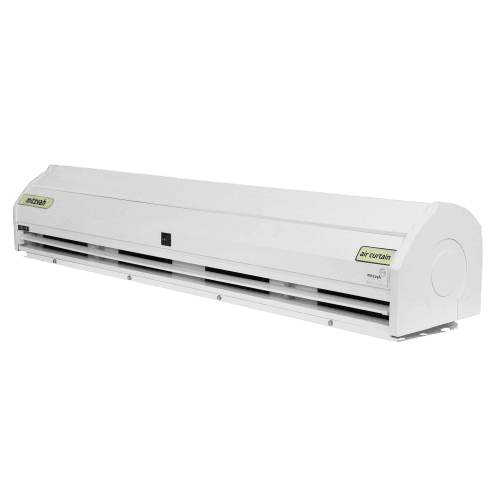
- Maintain indoor temperature by blocking outside air flow.
Industrial Air Curtains
- Designed for large openings to minimize massive energy escape.
High-Performance / Heavy-Duty Air Curtains
- Powerful airflow for maximum energy efficiency in demanding environments.
Solutions
Mitzvah offers integrated products to address the Energy Loss Problem effectively.

Commercial Air Curtains
Creates an invisible air barrier to retain indoor temperature and reduce power consumption.
Industrial Air Curtains
High-power airflow seals large entrances to minimize massive energy leakage.
Mitzvah Solutions for the Energy Loss Problem
Operational Benefits
- Reduce compressor load
- Improve HVAC efficiency
- Extend system lifespan
Comfort Benefits
- Better comfort near entrances
- No abrupt heat or cold drafts
- Consistent indoor climate
Environmental Benefits
- Lower energy use
- Reduced peak AC demand
- Support sustainability goals
Performance Benefits
- Maintain climate zones despite:
- • Traffic changes
- • Open doors
- • Heat sources nearby
- • Extreme weather
Industries impacted by the Energy Loss Problem

Hospitality & Retail
Frequent door openings allow cooled or heated air to escape, increasing energy consumption.

Pharma & Healthcare
Strict temperature control leads to high energy loss when air exchange occurs at entrances.

Food Processing & Kitchens
Hot kitchen air and open access points cause constant cooling loss and HVAC overload.
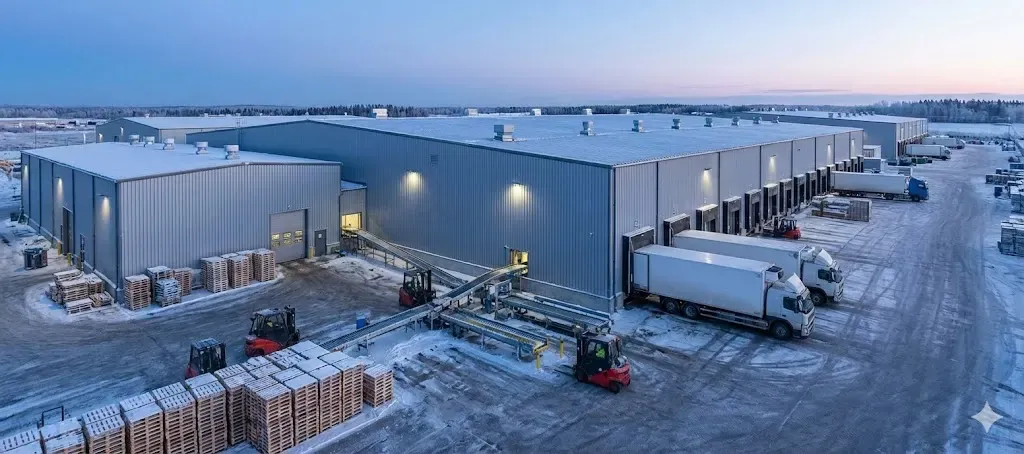
Cold Storage & Warehousing
Large doors and temperature differences result in massive energy leakage during operations.
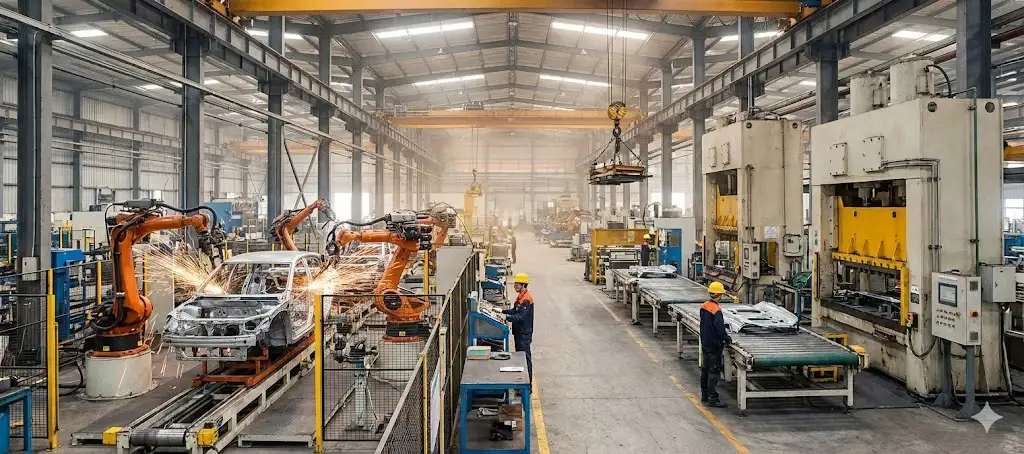
Industrial Manufacturing
Wide entryways and heavy traffic allow continuous air loss and system inefficiency.

Government & Institutional Buildings
High footfall entrances disrupt climate control and increase operational energy costs.
Energy Loss Problem Applications
Solutions to manage Energy Loss Problem in:
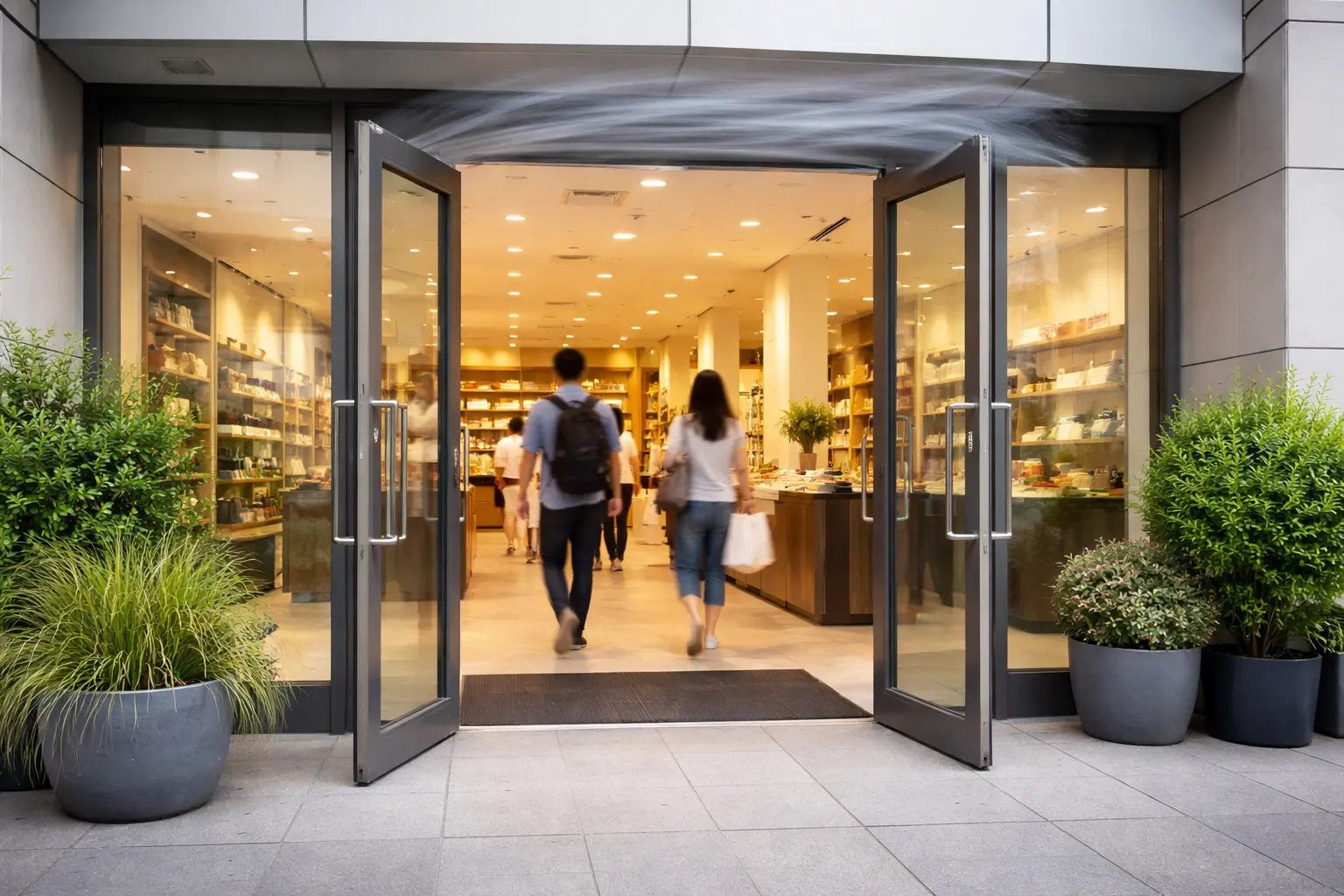
Main entrances and storefronts

Kitchens, food-prep areas, and production zones
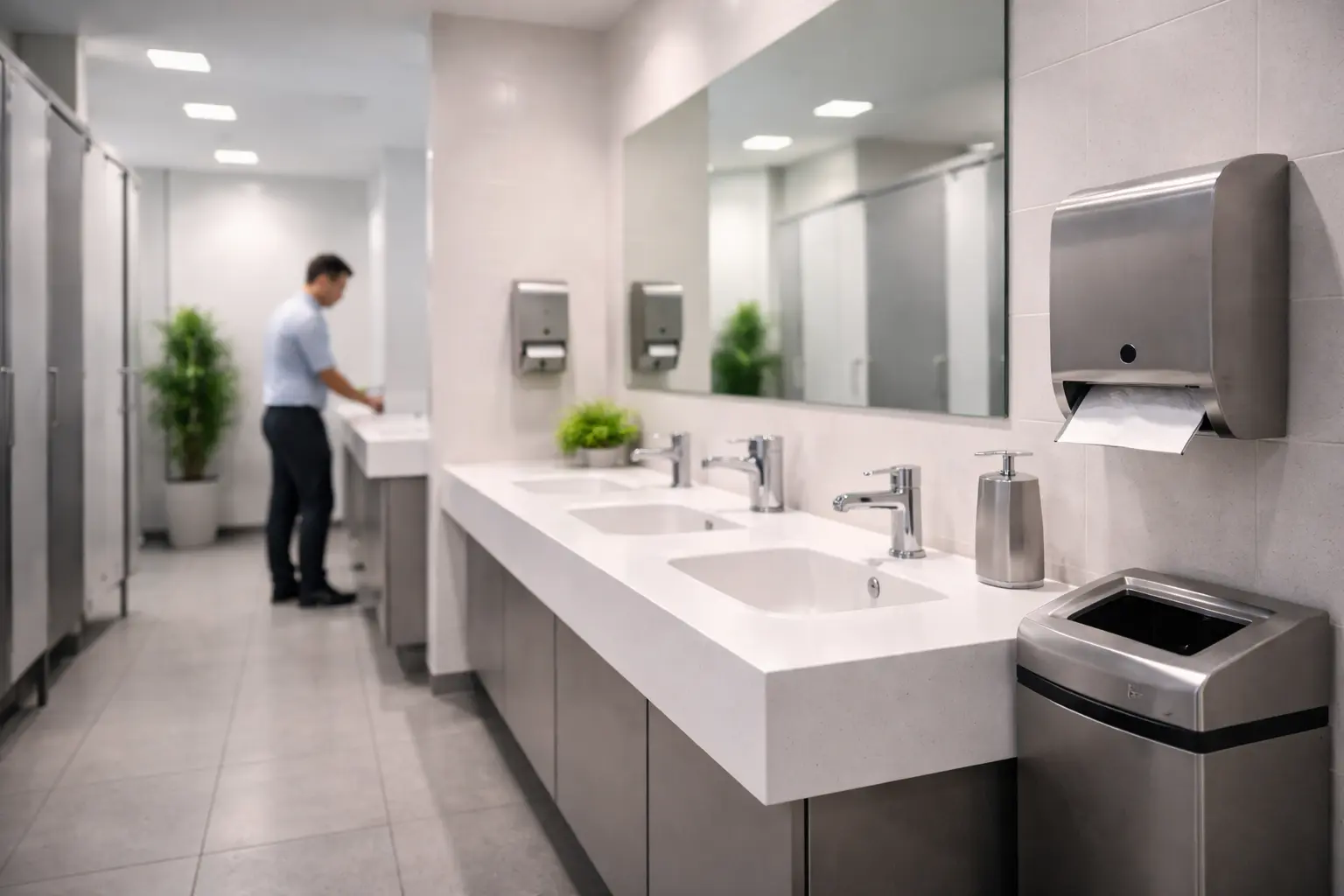
Washrooms, staff areas, and hygiene-critical rooms

Clean rooms, pharmaceutical units, and healthcare sites
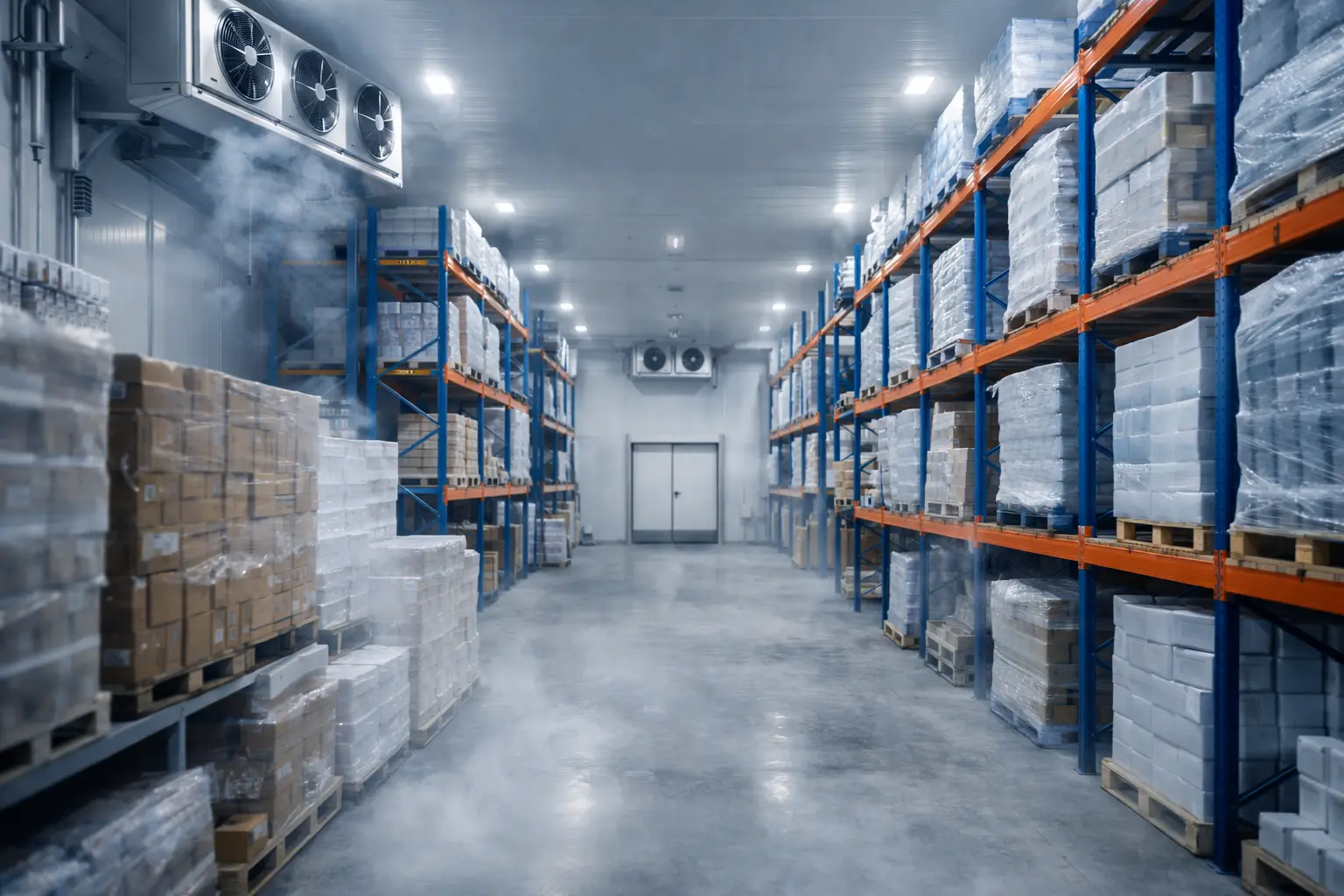
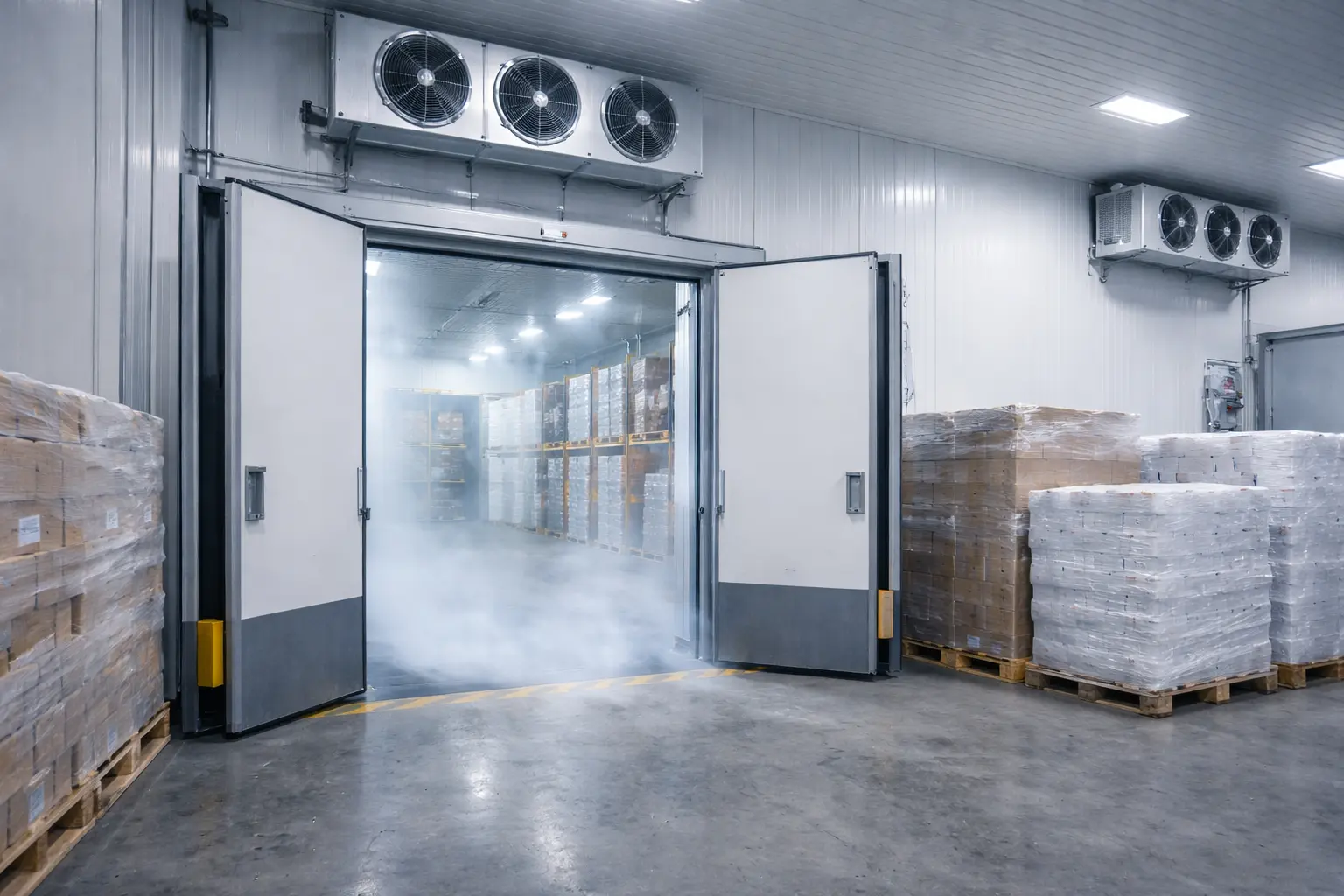
Cold storage entries and temperature-sensitive spaces
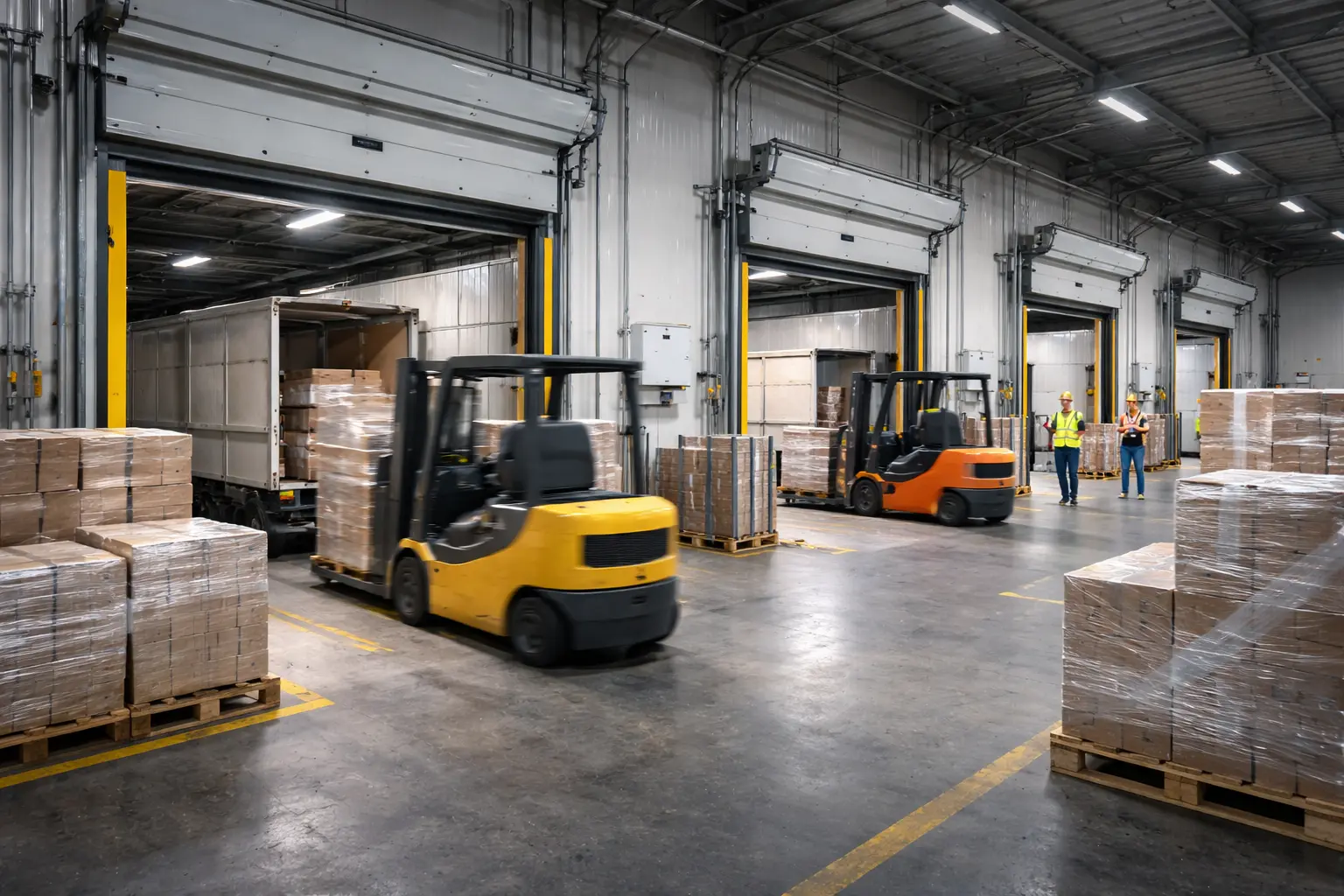
Industrial docks and high-traffic areas
Customer areas and reception points
Main entrances and storefronts
Kitchens, food-prep areas, and production zones
Washrooms, staff areas, and hygiene-critical rooms
Clean rooms, pharmaceutical units, and healthcare sites
Cold storage entries and temperature-sensitive spaces
Industrial docks and high-traffic areas
Customer areas and reception points
FAQs
Common questions answered
• Yes. They reduce compressor strain and allow higher temperature settings.
• Yes. They maintain performance during motion and stops.
• Just occasional filter cleaning and airflow checks.
• About 3.0–3.5 m/s per AMCA. Trials at 2.7 m/s show room for improvement.
Continuous Expert Support
Guidance, monitoring, and quick help access