

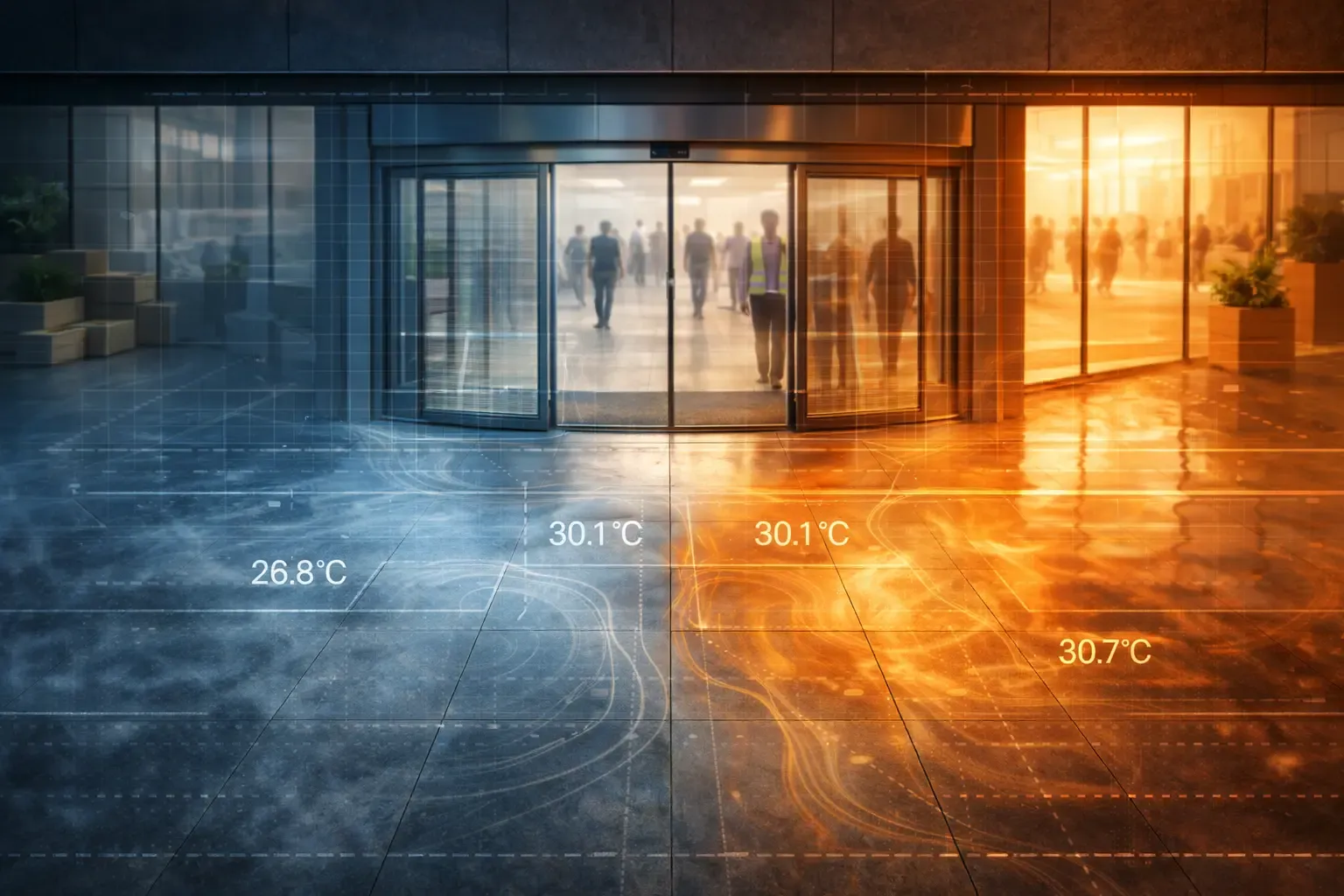
Temperature Segregation Failure Problem
Minimizing Loss from Temperature Segregation Failure
When conditioned air from separate zones mixes due to uncontrolled flow at entry points, heating and cooling systems must compensate, resulting in higher energy use, rising costs, and inconsistent comfort. Mitzvah designs airflow solutions that form seamless barriers to reduce unwanted exchange, secure zone integrity, and improve operational efficiency.

Why Temperature Segregation Failure Occurs
Frequent Door and Entry Use
Regular openings allow zone-specific conditioned air to mix freely.
High Temperature Difference Between Zones
Air flows naturally toward temperature balance, causing unwanted exchange.
Pressure Imbalance Across Areas
Differential pressure pulls air between zones and disrupts segregation.
Poor Sealing or Structural Gaps
Leaks allow temperature crossover even with doors seemingly closed.
High Traffic Areas
Zones experience prolonged openings, increasing temperature mixing.
Uncoordinated HVAC Operation
Poor airflow control makes systems overcompensate and waste energy.
Best-fit products to solve Temperature Segregation Failure Problem
Commercial Air Curtains
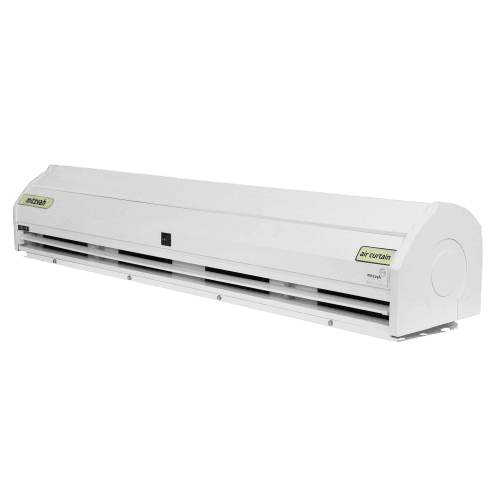
- Prevent air movement between zones while keeping entry access open.
Industrial Air Curtains
- Control temperature crossover at large zone openings in high-demand sites.
Heavy-Duty Air Curtains
- High-capacity systems for demanding conditions and strict temperature control.
Solutions
Mitzvah offers integrated products to prevent Temperature Segregation Failure effectively.

Commercial Air Curtains
Creates an invisible air barrier to retain indoor temperature and reduce power consumption.
Industrial Air Curtains
High-power airflow seals large entrances to minimize massive energy leakage.
Mitzvah Solutions for Temperature Segregation Failure
Operational Benefits
- Reduce compressor load
- Improve HVAC efficiency
- Extend system lifespan
Comfort Benefits
- Better comfort near entrances
- No abrupt heat or cold drafts
- Consistent indoor climate
Environmental Benefits
- Lower energy use
- Reduced peak AC demand
- Support sustainability goals
Performance Benefits
- Maintain climate zones despite:
- • Traffic changes
- • Open doors
- • Heat sources nearby
- • Extreme weather
Industries impacted by Temperature Segregation Failure

Hospitality & Retail
Customer comfort zones and back-of-house temperature areas mix, reducing climate control effectiveness.

Pharma & Healthcare
Strict temperature zones are disrupted when air mixes, risking product integrity and compliance.

Food Processing & Kitchens
Hot cooking areas and cold storage zones blend air, affecting food safety and cooling efficiency.
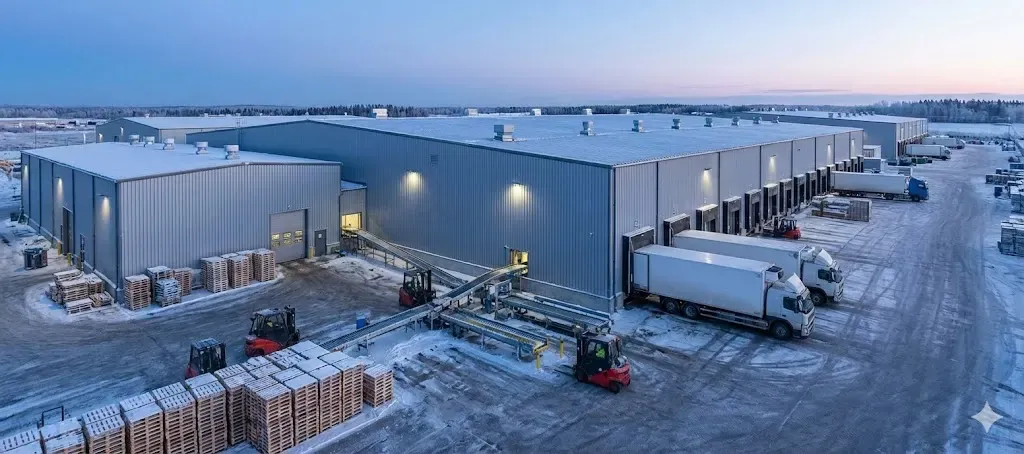
Cold Storage & Warehousing
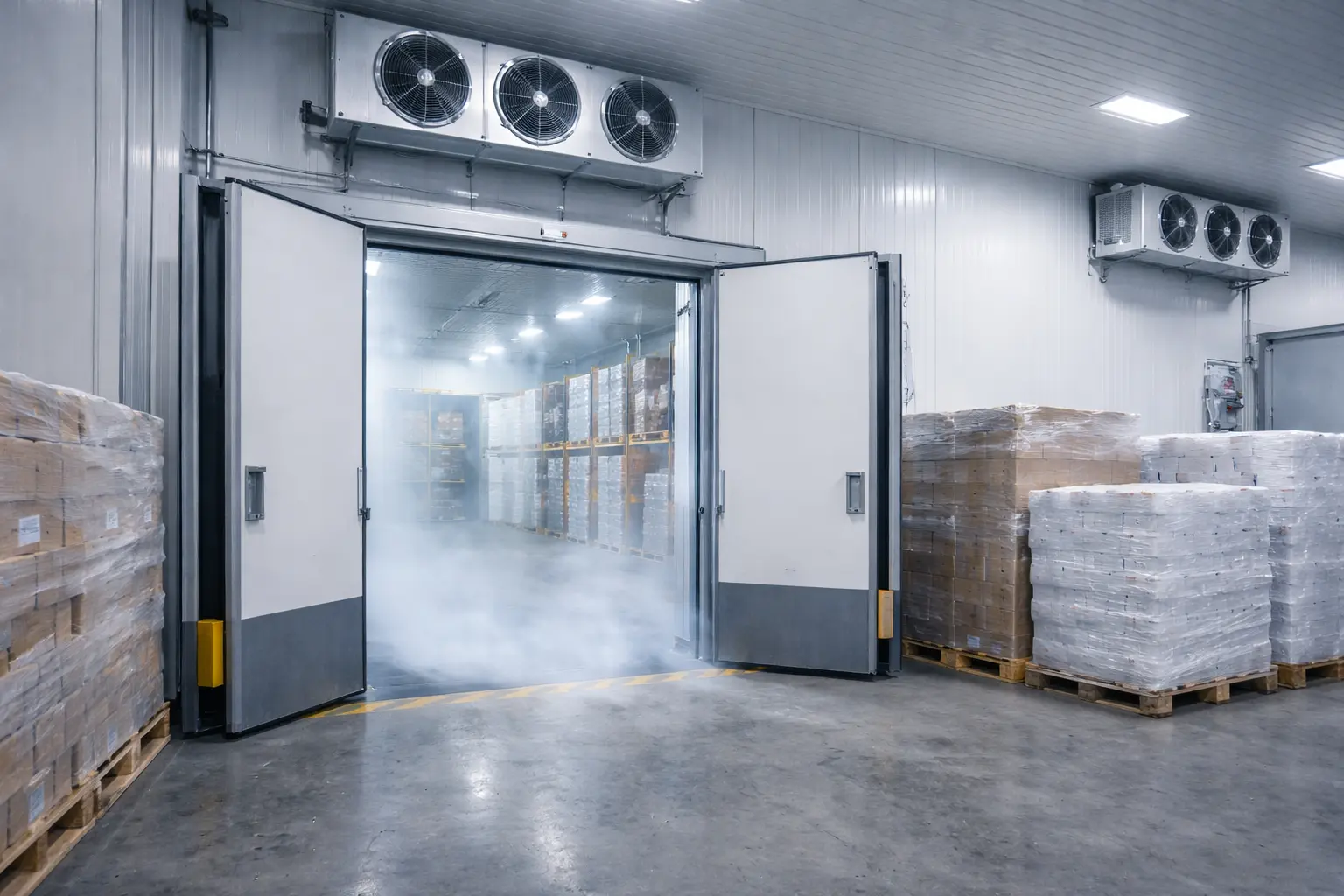
Warm air entering cold zones causes temperature instability and spoilage of stored goods.
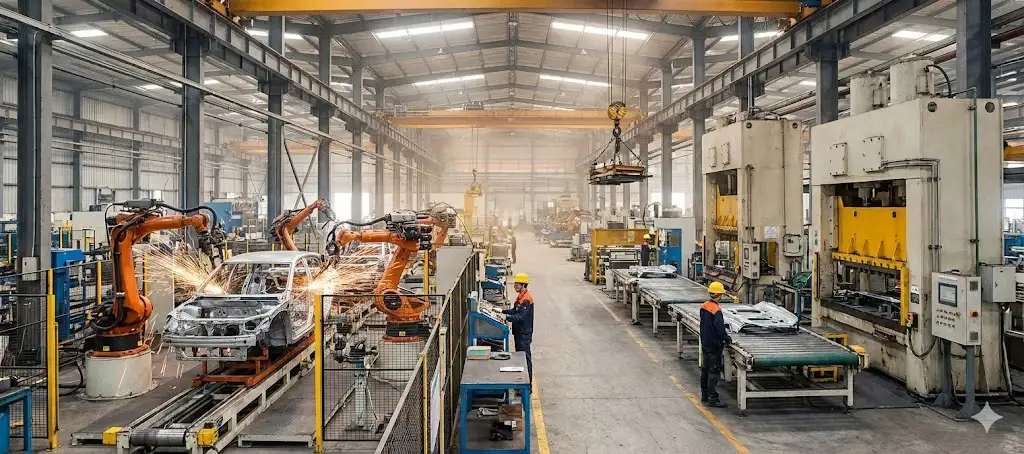
Industrial Manufacturing
Separate climate-controlled production zones fail when airflow is not properly contained.

Government & Institutional Buildings
Different room temperature requirements are compromised due to uncontrolled air movement.
Temperature Segregation Failure Applications
Solutions to manage Temperature Segregation Failure in:

Main entrances and storefronts

Kitchens and food-prep areas prone to Temperature Segregation Failure Problem

Washrooms and hygiene zones needing stable temperature control

Clean rooms and healthcare sites sensitive to temperature shifts
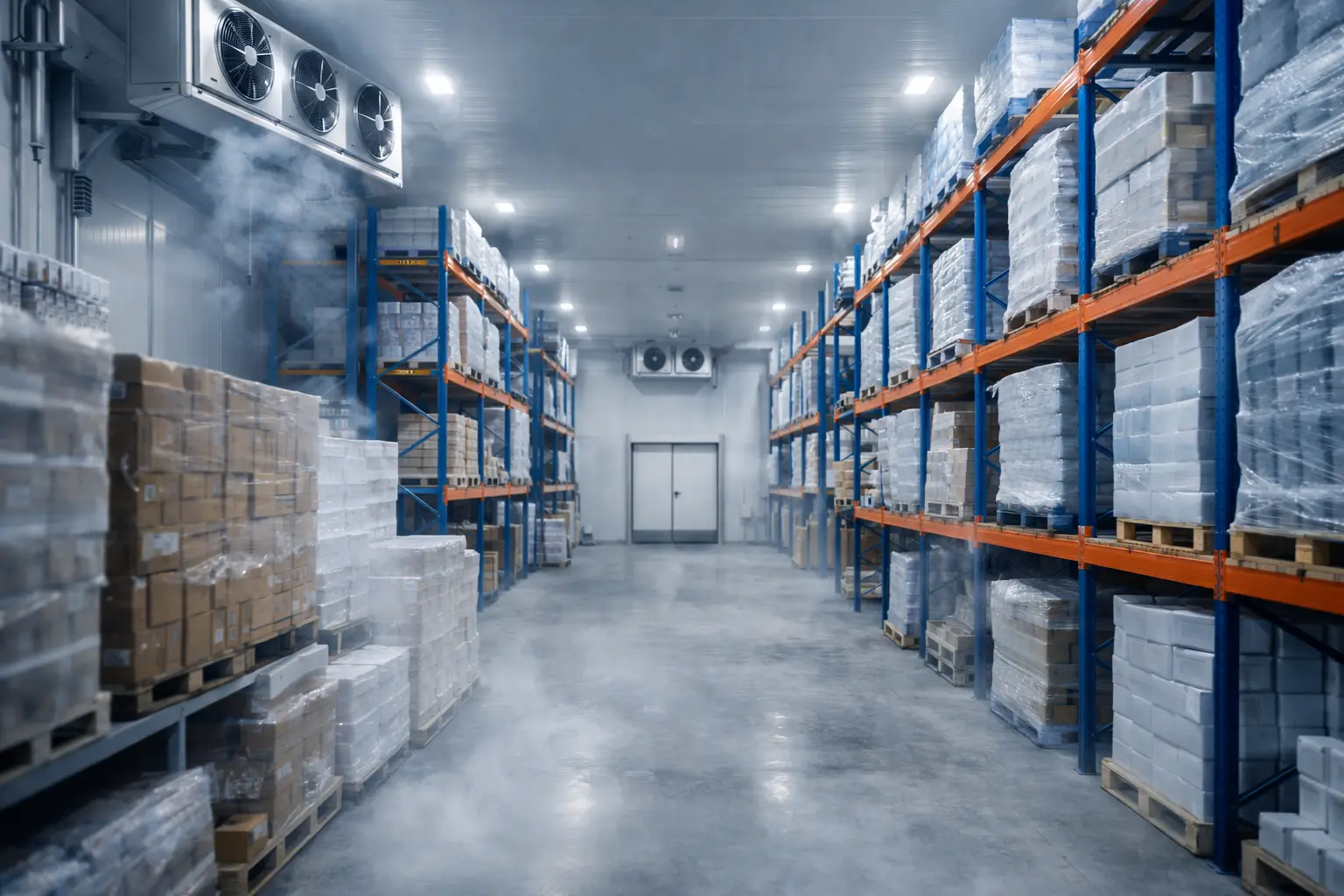
Cold storage entries needing prevention of segregation failure
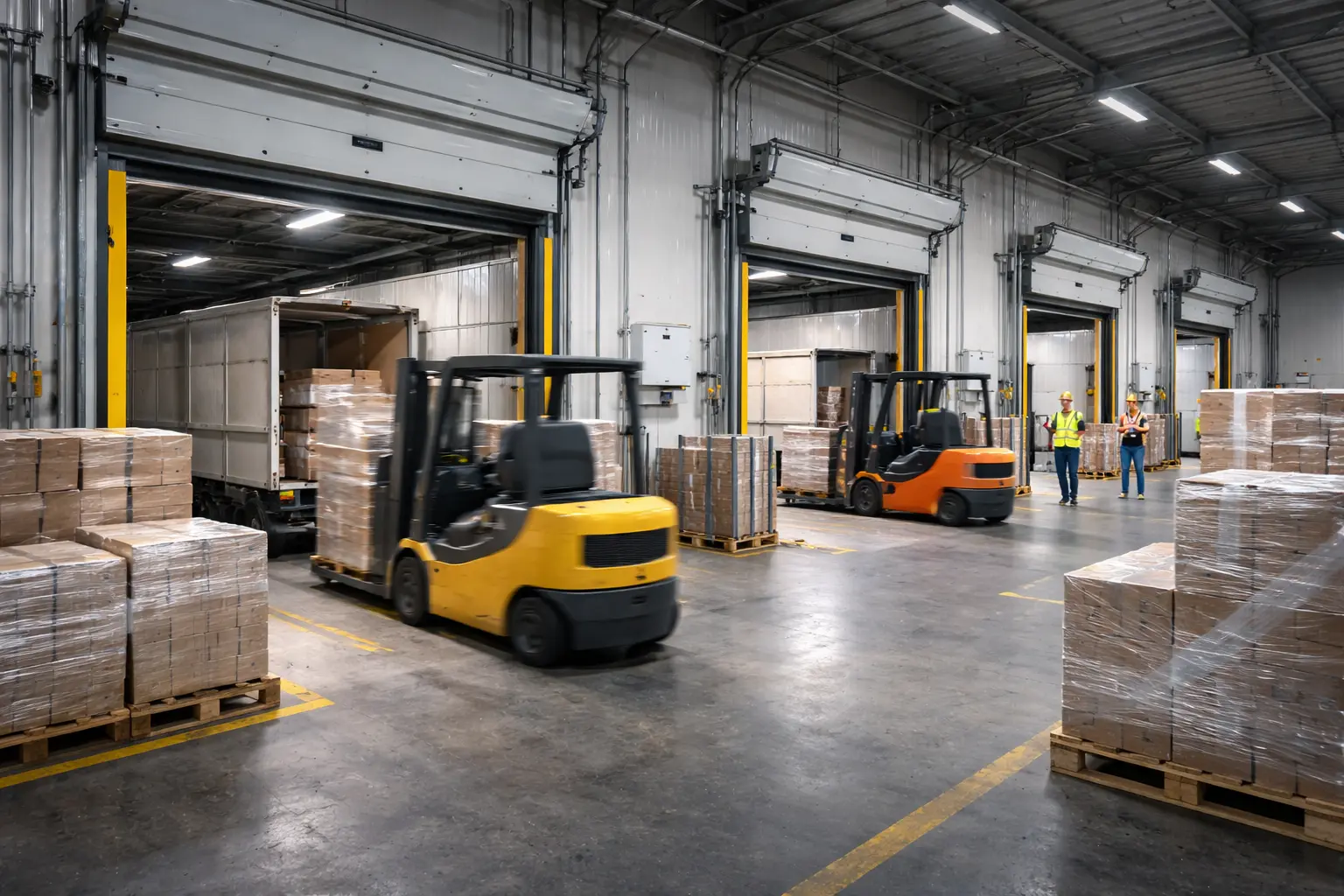
Industrial docks vulnerable to rapid temperature changes
Customer-facing areas where comfort and stability matter
Main entrances and storefronts
Kitchens and food-prep areas prone to Temperature Segregation Failure Problem
Washrooms and hygiene zones needing stable temperature control
Clean rooms and healthcare sites sensitive to temperature shifts
Cold storage entries needing prevention of segregation failure
Industrial docks vulnerable to rapid temperature changes
Customer-facing areas where comfort and stability matter
FAQs
Answers about temperature segregation control
• Yes. They reduce strain on cooling systems and keep spaces stable.
• Yes. They hold performance steady during motion or stops.
• Periodic cleaning and airflow checks are enough.
• Around 3.0–3.5 m/s per AMCA; lower speeds may be less effective.
Continuous Expert Support for Temperature Segregation Issues
Monitoring, guidance, and quick access to help